
Know What “Safe” Actually Means
Not all pet treats are created equal, and the label “natural” isn’t a free pass to safety. A solid starting point is to look for treats that meet AAFCO (Association of American Feed Control Officials) standards or have vet approval. It’s not a flashy certification, but it means the treat has passed basic quality and safety benchmarks. Trust that over vague marketing.
Now, let’s talk what not to feed. Artificial sweeteners especially xylitol are toxic to dogs. Cats don’t tolerate them well either. Watch out for heavy preservatives, fake colors, and strange sounding chemical fillers. If it reads more like a chemistry set than food, skip it.
Also, don’t toss your cat a dog biscuit and call it a day. Species specific treats exist for a reason. Dog treats may have ingredients harmful to cats (and vice versa), or just not meet their dietary needs. A treat that supports energy in a working dog may spike unnecessary calories in a lazy indoor cat. Know the difference. Feed accordingly.
Read the Label Like a Pro
Pet treat labels are where the truth hides in plain sight. Start with the first five ingredients they make up the bulk of what you’re feeding your animal. If those ingredients are whole proteins like chicken, salmon, or beef, you’re in good shape. If the list starts with corn syrup, meat by products, or vague terms like “animal fat,” it’s time to move on.
Meat meals are a grey area. Not all of them are bad “chicken meal” is concentrated protein. But avoid mystery phrases like “meat meal” or “animal digest.” When the source of the protein isn’t clear, neither is the quality. Whole proteins beat processed meals when you can get them.
There are definite red flags to watch out for: artificial sweeteners, food dyes (Red 40, Blue 2), BHA/BHT preservatives, and sugar in any form. Pets don’t need color in their treats, and they don’t need sugar.
Marketers love spinning junk as premium. Words like “natural,” “vet approved,” or “gourmet” don’t mean much unless backed by facts. Check if the brand names their sources, follows AAFCO standards, and avoids vague catchphrases like “flavor enhanced” or “wholesome goodness.” When in doubt, less hype and more transparency wins every time.
Stick to Trusted Brands and Sources
Not all pet treat brands are playing by the same rules. Start by doing a credibility check. Reputable manufacturers are transparent about their ingredient sourcing, quality control, and safety standards. Look for companies that provide detailed info on their websites where the treats are made, what testing they undergo, and whether they follow recognized safety frameworks like AAFCO or NASC certification.
Names that come up often in vet clinics or pet nutrition circles usually earn that trust. Brands recommended by vets or pet specialists often have clinical testing behind their products. That means less guesswork for you and fewer surprise vet visits for your pet.
On the flip side, off brand or generic treats might cut corners. Imported goods with vague ingredient lists, discount treats from sketchy online shops, or packaging that screams novelty but says little else they’re risky. You won’t always know what’s inside, and your pet pays the price if something goes wrong.
Bottom line: if a brand hides what’s in the bag, skip it. Pick treats with ingredients and ethics you can actually trace.
Consider Your Pet’s Unique Needs
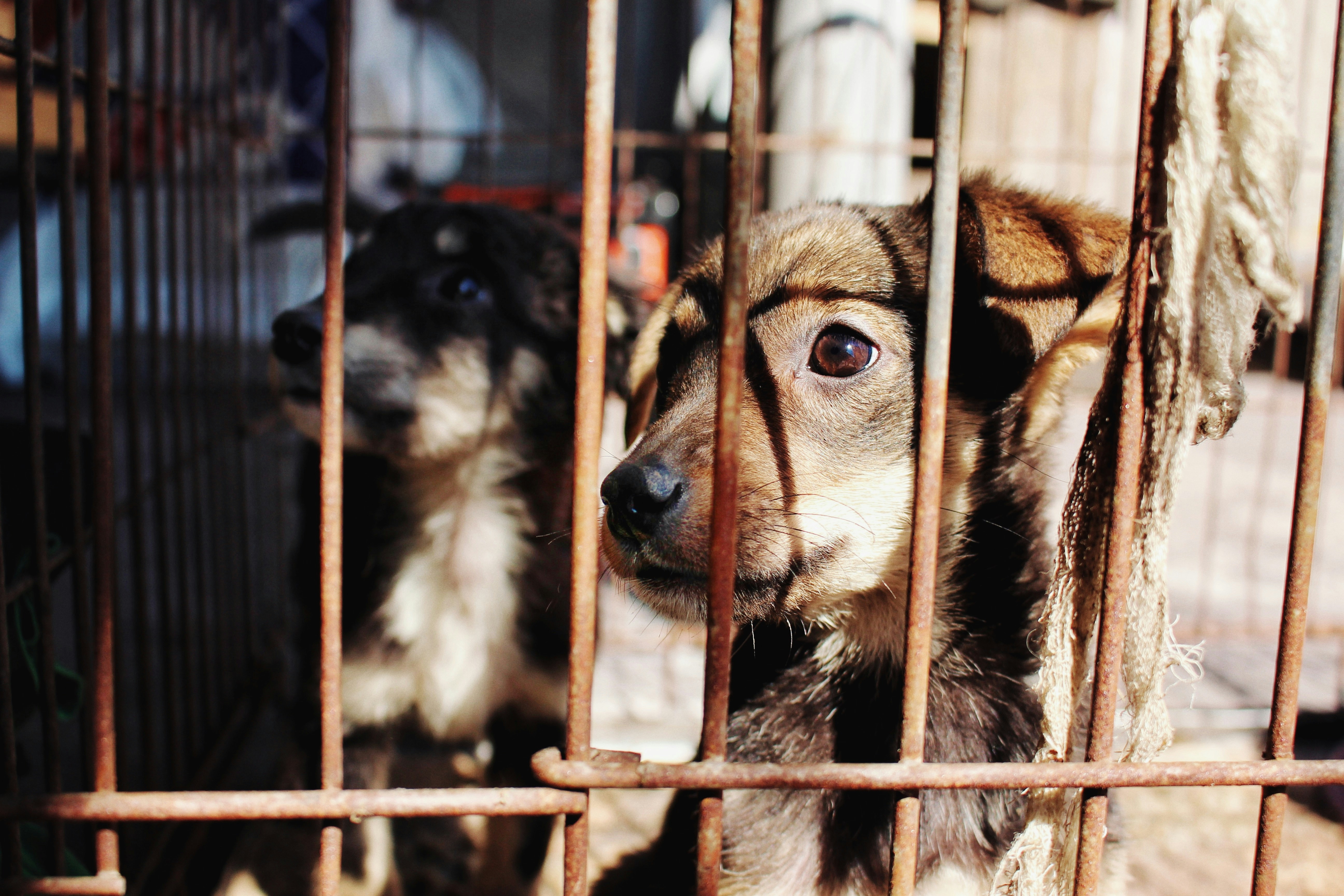
No two pets are the same what works for a neighbor’s dog or a popular cat on social media may not be right for yours. When choosing safe treats, consider these key factors to match your pet’s individual needs.
Factor in Size, Age, and Breed
Your pet’s size, life stage, and breed characteristics all play a role in how treats are digested and utilized.
Size matters: Smaller pets can choke on oversized treats or consume too many calories from just a few bites.
Puppies and kittens: Young pets may need softer textures and age specific nutrition.
Breed specific considerations: Some breeds are predisposed to certain health issues that treats can aggravate (e.g., hip dysplasia, food sensitivities).
Watch for Allergies and Intolerances
Many pets develop sensitivities to common ingredients. Identifying allergies early can prevent discomfort and serious health complications.
Common pet allergens: Beef, dairy, chicken, wheat, and soy are frequent culprits.
Symptoms to monitor: Itching, digestive upset, excessive paw licking, or ear infections.
Vet consultation: Regular vet visits can help detect and manage intolerances effectively.
Balance the Calories
Too many treats even “healthy” ones can lead to weight gain or nutritional imbalance.
Check the calorie count: Some treats are surprisingly dense and can exceed your pet’s daily caloric needs.
Follow the 10% rule: Treats should make up no more than 10% of your pet’s daily calorie intake.
Portion with purpose: Break treats into smaller bits for training or rewards to avoid overfeeding.
By tuning into your pet’s unique needs, you’ll be able to choose treats that are not only safe but also supportive of their lifelong health.
Homemade Doesn’t Always Mean Healthier
Making treats at home for your pet can feel like a thoughtful and healthy choice but not all homemade options are automatically safe. Before you reach for ingredients and turn on the oven, it’s important to understand what’s truly suitable for animal consumption.
Safe DIY Treat Options
If you enjoy baking or preparing fresh foods, there are plenty of simple, pet safe options to explore:
Single ingredient treats like plain baked sweet potatoes, dehydrated salmon, or freeze dried chicken
Homemade baked goods using pet safe flours (like oat or rice flour) and natural add ins like pumpkin or carrots
Frozen snacks made with plain yogurt and blended fruits (check for toxicity beforehand)
These DIY snacks can be both nutritious and appealing just be sure to portion them appropriately based on your pet’s size and breed.
Ingredients to Avoid at All Costs
Some foods that are harmless (or even healthy) for humans are highly toxic to pets. Always double check before experimenting in the kitchen. Common homemade treat dangers include:
Onions and garlic toxic to both dogs and cats, even in powdered form
Chocolate especially dark chocolate, which contains theobromine
Raisins and grapes can lead to kidney failure in dogs
Xylitol a sugar substitute found in some peanut butters, extremely toxic to dogs
Even small amounts of these ingredients can be hazardous, so always err on the side of caution.
Treat Storage Tips
Once you’ve baked or prepared your treats, proper storage is essential to prevent spoilage and bacteria:
Store dry baked treats in an airtight container for up to one week
Freeze extras in labeled zip top bags to extend freshness
For perishable items (like yogurt based or meat treats), refrigerate and use within 3 5 days
Monitor for mold or off smells, and discard anything questionable
Homemade treats offer a great way to control what your pet eats but safety and storage should always come first.
Use Treats as Tools Not Just Rewards
Treats can do far more than simply spoil your cat or dog. When used correctly, they become powerful tools for training, wellness, and behavior reinforcement.
Training and Behavior Shaping:
Treats are one of the most effective motivators in pet training. The key is to use them intentionally and at the right moments.
Choose soft, easily digestible treats for frequent rewards
Break larger treats into small pieces to avoid overfeeding
Immediately reward desired behavior to build a strong association
Use a consistent training word or sound alongside the treat
Training with treats should feel structured, not random. Keep sessions short and positive to enhance learning without overwhelming your pet.
Dental and Health Targeted Treats:
Some treats provide added health benefits particularly when it comes to oral hygiene and supplements.
Look for VOHC approved (Veterinary Oral Health Council) dental chews that reduce plaque and tartar
Explore treats fortified with joint support ingredients like glucosamine or omega 3s
Choose treats that complement your pet’s diet instead of substituting essential nutrients
These functional treats should still meet basic safety standards and be appropriate for your pet’s size and dietary needs.
Avoiding Over Treating:
Even the healthiest treat can cause problems when used in excess. Over treating leads to weight gain, imbalanced nutrition, and even behavioral issues.
Tips to stay on track:
Follow the 10% rule: treats should make up no more than 10% of your pet’s daily calories
Monitor total treat consumption if multiple people are giving them out
Factor treat calories into your pet’s overall meal plan
Using treats as tools means balancing reward with responsibility. A well managed treat routine encourages healthier habits for both pets and their humans.
Your Turn to Dig Deeper
Even if the packaging looks clean and the label reads well, you can’t stop there. Vet clinics, certified animal nutritionists, and regulatory organizations like the FDA or AAFCO are your go to references when you want second opinions that actually matter. If you’re not sure about a treat, check if it’s been flagged or recommended by a trusted source.
Ingredient recalls happen more often than most pet owners realize. One bad batch can undo months of healthy habits so staying in the know matters. Bookmark a few reputable recall alert websites or sign up for email updates from regulatory bodies.
And when in doubt, lean on tools like this safe treat guide for pet owners. It’s built to help you cut through the noise and make solid, informed choices every single time.