
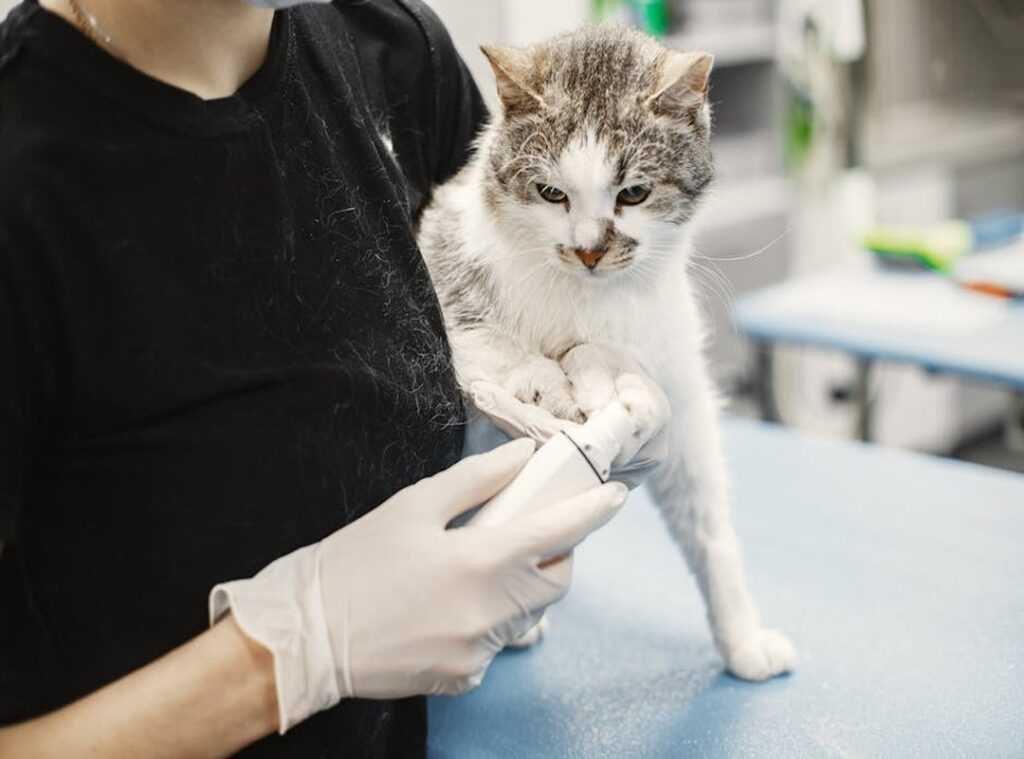
Your cat scratches at the floor. Licks their fur. Acts normal.
But you’re staring at that bottle of Feduspray on your shelf.
And wondering: Is Feduspray Safe for Cat?
It’s not a silly question. It’s the only question.
I’ve seen too many cats get sick from dog products labeled “safe for pets” (a) phrase that means nothing when it comes to feline biology.
Cats metabolize chemicals differently. Much differently. A dose safe for a 50-pound dog can shut down a 10-pound cat’s nervous system.
This isn’t speculation. It’s basic veterinary toxicology.
I’ll tell you straight: No, Feduspray is not safe for cats.
Then I’ll explain why. In plain terms.
And give you real alternatives that vets actually recommend.
No fluff. No guessing. Just what keeps your cat alive and well.
Feduspray: Flea & Tick Spray for Dogs. Not Cats
Feduspray is a spray you put on your dog’s coat to kill fleas and ticks.
It’s not magic. It’s Fipronil. A chemical that jams up an insect’s nervous system.
Stops them cold. They twitch. They die.
Simple.
I’ve used it on my own terrier mix after a hike in overgrown woods. Within 24 hours, no more scratching. No more tiny black specks jumping off his fur.
You spray it directly onto the coat. Not the skin (and) rub it in. Let it dry.
Don’t bathe your dog for 48 hours after.
Here’s what nobody tells you upfront: Fipronil is toxic to cats. Even if your dog gets it on their fur and your cat grooms them? That’s trouble.
So let me ask you: Do you have both dogs and cats?
Because then you need to read this carefully.
Is Feduspray Safe for Cat? No. Not even close.
Cats can’t process Fipronil like dogs can. Their livers just shut down. I’ve seen it happen.
A single lick. A nap next to a treated dog. That’s enough.
Keep cats away from treated dogs for at least 48 hours. Better yet. Don’t use it if your cat is curious or cuddly.
Pro tip: Wash your hands after applying. And never use dog flea products on cats. Ever.
It’s not worth the risk.
Cats Aren’t Dogs (And) Their Livers Know It
I’ve watched too many cats get sick because someone assumed “dog-safe” meant “cat-safe.”
It doesn’t.
Cats process drugs and chemicals differently (not) a little, not “sort of,” but fundamentally. Their livers lack certain enzymes. Specifically, they’re terrible at glucuronidating toxins.
That means common substances. Like aspirin, acetaminophen, or pyrethrins (pile) up instead of flushing out.
Dogs? Their livers handle those same compounds just fine.
Think of it like two coffee filters. One’s got wide mesh. The other’s clogged with fine silk.
Same liquid poured in. Very different outcomes.
Cats also lick themselves (constantly.) Obsessively. You apply something to their fur? They’ll swallow it.
Every day. No warning. No pause.
That’s why topical flea products labeled “for dogs only” are dangerous near cats. Even if the cat just walks through where a treated dog sat? Risk goes up.
Pyrethrins and permethrins (common) in dog spot-ons (can) cause tremors, seizures, or death in cats. I’ve seen it happen from one accidental lick.
So when you ask Is Feduspray Safe for Cat (the) answer is no. Not unless it’s explicitly tested and labeled for feline use.
“Natural” doesn’t mean safe. “Low concentration” doesn’t mean safe. “Just a little” isn’t how cat metabolism works.
I keep a separate shelf for cat meds. Always have. No shared bottles.
No shared applicators. No guessing.
Pro tip: If the label doesn’t say “safe for cats” in plain language. Assume it’s not.
And if your vet hands you something labeled “dog use only”? Ask them to explain (out) loud (how) it’s safe for your cat.
They won’t have a good answer.
Because there isn’t one.
Feduspray and Cats: Just Don’t
No.
Feduspray is not safe for cats.
Period.
I’ve seen too many panicked calls after someone sprayed it near a cat (or) worse, on one.
It’s labeled for dogs. Not cats. That’s not a suggestion.
It’s a hard stop.
Off-label use means using a product in a way the FDA didn’t approve. For cats, that’s especially dangerous. Their livers can’t break down certain insecticides like permethrin.
A common ingredient in dog flea sprays. Even trace exposure can trigger a crisis.
You might think “a little won’t hurt.”
But toxicity isn’t about dose alone. It’s about chemistry. A tiny amount of permethrin is still permethrin.
And to a cat, that’s poison.
Symptoms start fast: drooling, wobbliness, muscle tremors. Then seizures. Then lethargy so deep they won’t lift their head.
I’ve watched vets rush cats into ICU after this.
Don’t assume “natural” or “low-odor” means safe. Check the label. Every time.
If it says “for dogs only” (walk) away.
How to Open Feduspray? That’s irrelevant if you’re not supposed to use it on your cat in the first place.
Ask yourself: Why risk it when safer, vet-approved options exist?
Cats groom constantly. They’ll lick it off their fur. They’ll inhale the mist.
They’ll track it onto your couch (and) then onto their paws.
There’s no “safe way” to misuse a dog-only product.
Your cat doesn’t need Feduspray. They need something made for them. Not something you hope will work.
Skip the guesswork. Call your vet. Get a feline-specific treatment.
It’s faster. Safer. And honestly (less) stressful than watching your cat shake on the floor.
Safe Flea & Tick Fixes for Cats. No Guesswork Needed
I’ve seen too many cats get sick from products labeled “safe” that weren’t safe for cats. Not dogs. Not puppies. Cats. Their livers process things differently.
Full stop.
So let’s cut the fluff and talk about what actually works. And what doesn’t.
Topical spot-ons? Yes, some are vet-approved. Bravecto Topical and Revolution Plus are two I’ve recommended for years. Easy to apply.
But they’re messy. And if your cat grooms right after? Risk goes up.
Always wait 24 hours before petting or letting them near other pets.
Oral meds? Like Comfortis or NexGard COMFORTIS. Clean.
No residue. But good luck getting a stubborn cat to swallow a pill. Some chew it like candy.
Others treat it like poison (they’re not wrong. Taste is awful). Pro tip: hide it in a tiny bit of canned food (not) dry kibble.
Dry kibble crumbles and exposes the bitter coating.
Flea collars? Only use ones made for cats. The Seresto collar is widely trusted.
But only if fitted correctly. Too loose? It slips.
Too tight? It chokes. And never use a dog collar on a cat.
Ever. That’s how you get seizures.
Is Feduspray Safe for Cat? No. It’s not a flea treatment at all.
It’s an air freshener. And while the Feduspray home air freshener spray might smell nice in your living room, spraying it near your cat’s face or bedding is unnecessary exposure. Cats inhale deeply.
They lick their fur. Skip it.
You don’t need ten options. You need one that fits your cat’s habits, your routine, and your vet’s approval.
Ask your vet before buying anything. Not after.
Feduspray and Your Cat’s Health
I’ve watched cats react to sprays. Some blink hard. Some walk away.
Some just stare.
Is Feduspray Safe for Cat? Not without checking the label first. Not without knowing your cat’s age, weight, and health history.
That itch you’re trying to fix? It’s driving you nuts. You want relief—fast.
But not at the cost of your cat coughing for three days.
I wouldn’t use it on a kitten. Or a senior cat with asthma. Or any cat who grooms heavily.
You already know what you saw online isn’t enough. Real answers come from vets. Not forums.
Call your vet today. Tell them exactly what’s in the bottle. Ask: “Would you use this on your cat?”
They’ll say yes. Or no. Either way, you’ll stop guessing.
Your cat doesn’t need another chemical surprise. They need clarity.
So pick up the phone. Do it now.