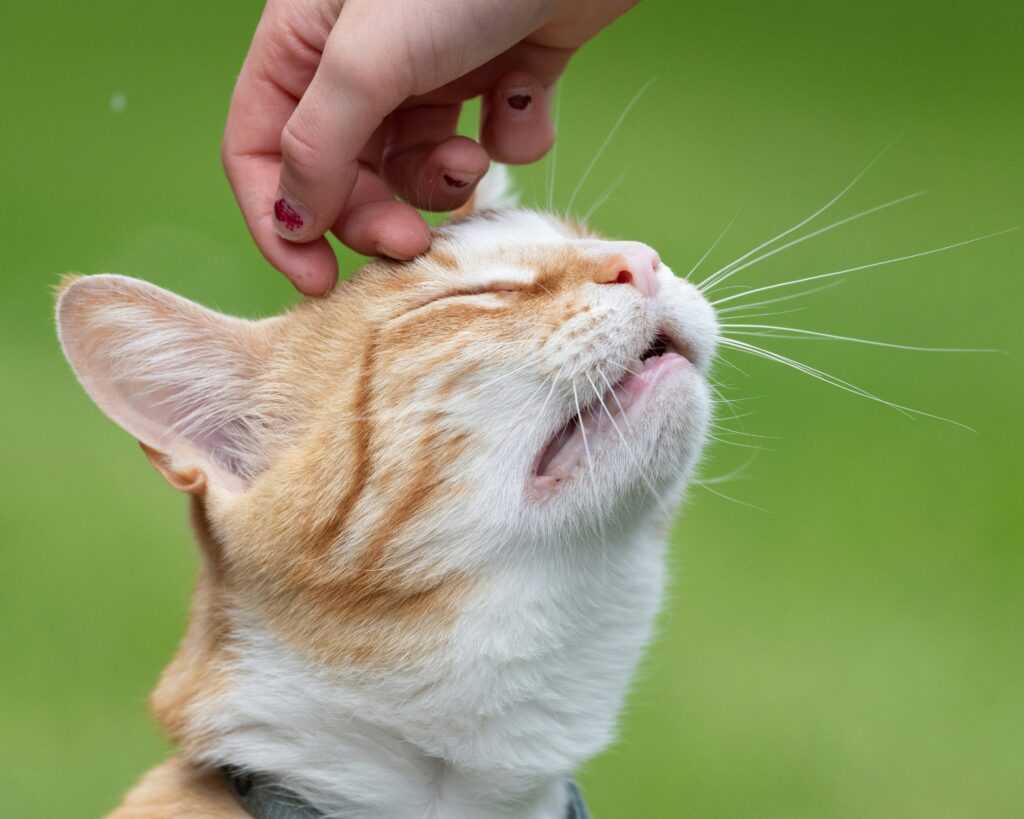
Itchy Skin Relief
When your pet starts scratching nonstop, the solution doesn’t always have to come from a bottle. Oatmeal baths are a simple, no frills remedy that can calm irritated skin fast. Just blend plain, unsweetened oats into a powder and stir it into warm bathwater. Let your pet soak for 10 15 minutes, then rinse. It’s gentle, cheap, and comforting like a warm blanket for their skin.
Coconut oil pulls double duty. It’s naturally antifungal and packed with soothing fats that help dry, flaky patches heal. Apply a small amount directly to troubled areas, or even mix a spoonful into food (check with your vet first, especially for small pets). It’s minimal effort with decent payoff.
But if the itching gets worse instead of better or you spot red, oozing spots, bald patches, or excessive licking it might be something more serious. Allergies, infections, or parasites could be at play. That’s your signal to skip the home remedies and call your vet. Trust your gut: if it looks off or if your pet’s acting out of character, don’t wait.
Tummy Troubles
When your pet’s stomach is off, a well stocked kitchen can help ease things up. Start with pumpkin puree plain, unsweetened, and canned. A spoonful or two can help firm up loose stools and regulate digestion thanks to its fiber content. Most dogs take to it easily, and many cats don’t mind a bit mixed with food.
For something gentler and more herbal, slippery elm bark has been a go to in natural pet care for years. It coats the stomach lining, helps reduce inflammation, and soothes both ends of the digestive process. You can find it in powder form just mix a pinch with water into a paste, or stir into food before feeding.
Hydration is non negotiable. If your pet is vomiting or dealing with diarrhea, they’re likely losing fluids fast. Fresh water should always be available, but sometimes that’s not enough. Consider offering unseasoned broth or electrolyte enhanced pet safe fluids. Ice cubes work too, especially for dogs that won’t drink but like to chew.
These natural approaches can stabilize things quickly. But if symptoms persist more than a day or worsen, it’s time to call the vet.
Anxiety and Stress
Pets, just like people, can suffer from anxiety due to changes in routine, unfamiliar environments, or loud noises. Fortunately, several natural remedies can help ease their stress without pharmaceutical intervention.
Calming Herbs: Chamomile & Lavender
Two of the most widely recommended natural remedies for calming pets are chamomile and lavender:
Chamomile: Known for its soothing effects, it can be used in teas (cooled and diluted) or as part of a calming treat.
Lavender: Its scent has natural relaxation properties. Look for sprays or diffusers made specifically for pets, as high concentrations can sometimes be too strong.
Always ensure any herbal remedy you offer is pet safe and used in appropriate doses.
DIY vs. Store Bought Calming Sprays
When it comes to calming sprays, you have options:
DIY Calming Sprays: These often include a combination of distilled water, a few drops of pet safe essential oils (like lavender or chamomile), and a bit of glycerin.
Benefits: Cost effective, customizable, and control over ingredients
Things to watch: Use only essential oils that are specifically safe for cats or dogs
Commercial Calming Sprays: Available at most pet stores or online, these are pre formulated for safety and ease of use.
Benefits: Convenience and professionally measured dosages
Things to watch: Read labels carefully to avoid unwanted additives
Routine and Environment Adjustments
Natural remedies work best when paired with lifestyle habits that reduce stress. Consider these adjustments:
Predictable Schedules: Pets thrive on routine. Regular feeding, walking, and sleep times reduce anxiety.
Comfort Zones: Set up a quiet, cozy area where your pet can retreat when overwhelmed.
Stimulation Balance: Make time for regular play, exercise, and gentle interaction but also ensure your pet gets plenty of downtime.
With patience and the right support, many pets show big improvements from these simple, natural strategies.
Joint and Mobility Support
When pets slow down, it’s not just age it’s often inflammation. Turmeric has become a standout natural option thanks to its active compound, curcumin. It’s known for reducing joint stiffness and supporting mobility in aging pets. It won’t work overnight, but with consistent use (typically mixed into food in pet safe doses), many owners see an improvement in how their dog or cat moves around the house or yard.
Fish oil is another staple. High in omega 3 fatty acids, it helps lubricate joints and cut down on inflammation from the inside out. It’s simple, well tolerated by most pets, and doubles as a booster for skin and coat health. Whether you’re dealing with an older pet slowing down or a larger breed prone to joint issues, these two ingredients are go tos in most natural wellness routines.
Need help picking the right brand or dosage? Check out our pet health supplements guide.
Natural Flea Repellents

Say goodbye to harsh chemicals. Natural flea prevention is back in focus, and these remedies have real staying power if you use them right.
Apple cider vinegar spray: simple and safe
Dilute it 50/50 with water and spray onto your pet’s coat, avoiding eyes and any open wounds. It doesn’t kill fleas, but it changes your pet’s skin pH just enough to make them less tasty to pests. Bonus: it can soothe mild itching too. Just don’t overdo it once or twice a week is plenty.
Neem oil: a time tested solution
This oil has been used in Ayurvedic medicine for centuries, and it’s a strong natural deterrent for fleas and ticks. Mix a few drops with a carrier oil (like coconut or olive oil) and rub into the coat or use it in DIY sprays. It’s safe for dogs in small amounts but not recommended for cats they’re more sensitive to plant based oils.
Essential oils what works and what to avoid
Some oils, like lavender or cedarwood, can repel fleas when properly diluted. But a warning here: essential oils can quickly turn harmful if used incorrectly, especially around cats. Avoid tea tree, eucalyptus, and peppermint unless under the guidance of a vet. When in doubt, skip it or use a commercial product that’s pet safe and vetted.
Natural doesn’t always mean gentle. Always test a small area first, and talk to your vet before starting anything new especially if your pet has health issues or sensitive skin.
Ear Infections
Ear infections are one of those pet issues that creep in quietly but get uncomfortable fast. If your dog or cat is shaking their head a lot or scratching near the ears, it’s worth a closer look. For routine cleaning, a mix of witch hazel and coconut oil can be both gentle and effective. Witch hazel helps dry out excess moisture and reduce irritation, while coconut oil has natural antifungal properties that support ear health without being too harsh.
If your pet’s ears are red, warm, or smell funky, consider calendula for its anti inflammatory and soothing effects. You can find it in oil or tincture form. Use a diluted solution to wipe the outer parts of the ear never insert anything deep inside.
That said, know when to step back. If there’s discharge, swelling, or if your pet shows signs of pain when you touch their ears, it’s time for the vet. Natural remedies support healing, but they’re not a fix all. If symptoms persist or get worse, professional help is non negotiable.
Allergy Support
If your pet struggles with allergies, quercetin might be your new best friend. It’s a plant based antioxidant often called “nature’s Benadryl” for its ability to reduce inflammation and histamine reactions. Safe for dogs and cats in proper doses, quercetin can calm itching, redness, and sneezing without the grogginess that comes with common meds.
But supplements alone won’t solve the problem if your pet’s diet is triggering reactions. Common culprits include chicken, beef, dairy, or grains. If your pet’s symptoms linger, consider an elimination diet or allergy test to pinpoint the source more precisely.
For a deeper look at natural allergy solutions, dosing tips, and how to pair supplements smartly, check out our pet health supplements guide.
Hot Spot Healing
Hot spots can go from zero to angry fast itchy, red, irritated patches that seem to pop up overnight. The good news: a few natural remedies can cool the fire without reaching for medicated sprays right away.
Start with aloe vera gel pure and unscented. It’s naturally cooling, helps reduce inflammation, and speeds up healing. Just dab it gently on the affected area (make sure it’s clean and dry first). Most pets tolerate it well, just be sure they’re not licking it off before it soaks in.
Next up, black tea compresses. The tannins in tea help dry out the hot spot and ease the irritation. Brew a strong tea, let it cool completely, then apply the tea soaked pad or cloth to the area for a few minutes. It’s easy, cheap, and surprisingly effective.
Last, don’t forget the licking. It’s what often turns a mild irritation into a full blown hot spot. Use a cone or a comfy recovery sleeve until the area starts healing. You can also distract your pet with enrichment toys or frozen treats to keep those tongues busy elsewhere.
Natural care works best when it’s consistent and paired with prevention regular grooming, clean fur, and quick responses to scratches or bites.
Boosting Immune Function
When pets get sick, they can’t tell you what’s wrong but a strong immune system helps keep small issues from turning into big ones. Two natural go tos: echinacea and probiotics. Echinacea isn’t just a human cold remedy it helps dogs and cats fight off infections by supporting white blood cell activity. Probiotics, on the other hand, keep the gut microbiome in check, which is key since most of the immune system lives there.
Then there’s raw honey. Just a spoonful (for dogs; not recommended for cats or puppies under one) offers antibacterial benefits and trace nutrients. It’s a natural immune booster, especially useful during allergy season or when your pet’s been exposed to other animals.
Daily nutrition makes or breaks long term health. Skip the heavily processed stuff. Focus on whole foods, clean proteins, and pet safe fruits and veggies. Immune strength isn’t about one miracle supplement it’s about giving your pet a balanced foundation to fight whatever comes their way.
Bad Breath Fixes
Pet breath gotten a little too real lately? Foul smelling breath can be more than just unpleasant it may be an early sign of dental or digestive issues. Luckily, there are simple, natural ways to freshen your pet’s breath while boosting overall oral health.
Coconut Oil: Nature’s Breath Freshener
Coconut oil isn’t just for skin and fur. It naturally combats bacteria in the mouth, helping with plaque buildup and breath odor. You can:
Add a small amount to your pet’s food (check dosage based on size)
Rub it gently on your pet’s gums and teeth with a soft cloth or pet toothbrush
Parsley: More Than a Garnish
Fresh parsley contains chlorophyll, a natural deodorizer with antibacterial properties. Finely chopped and mixed into meals, it can help neutralize bad odors from the inside out.
Tips for Use:
Use flat leaf parsley, not curly varieties (they’re easier to digest)
Avoid giving parsley to pets with kidney issues
Bone Broth: A Tasty, Functional Treat
Bone broth isn’t just good for joints and immunity it hydrates and supports dental health too. Its high collagen content strengthens gums and can help prevent oral infections.
How to Serve Bone Broth:
Use it as a meal topper
Freeze it into chewable cubes for a cooling enrichment treat
Regular use of these simple remedies can help maintain fresh breath and promote long term oral health without resorting to harsh chemicals or artificial additives.