
I stumbled across santillanandrea79 a few months back and couldn’t stop scrolling.
The nature shots are incredible. Mountains, trails, open landscapes that make you want to pack up and head out immediately.
But here’s the thing: you’re probably wondering how to actually visit places like these with your dog or cat. Because those photos make it look easy, but we both know it’s not that simple.
I’ve spent years working with pet owners who want to explore the outdoors safely. I’ve seen what works and what doesn’t when you bring an animal into wild spaces.
This article does two things. First, we’ll look at what makes santillanandrea79‘s outdoor photography so compelling. Then I’ll show you how to turn that inspiration into real adventures you can take with your pet.
You’ll learn how to pick the right locations, prepare your animal for the experience, and handle the safety concerns that most people overlook until it’s too late.
No guesswork. Just practical steps that keep both you and your pet safe while you create your own memorable outdoor moments.
The Art of Andrea Santillan 79: A Look at the Landscapes that Inspire
I’ll never forget the first time I stumbled across santillanandrea79 on my feed.
I was scrolling through my phone late one night after a long day. My dog was curled up next to me and I was just mindlessly looking for something calming before bed.
Then I saw it. This shot of a mountain ridge at dawn with fog rolling through the valleys below.
I stopped scrolling.
Some people might say landscape photography is all the same. Mountains here, forests there, maybe a lake thrown in for good measure. They argue it’s overdone and that we’ve seen it all before.
And sure, I get where they’re coming from. Social media is flooded with nature shots.
But here’s what they’re missing.
Not all landscape photography hits the same. Andrea Santillan’s work does something different. It makes you feel like you’re actually standing there in those quiet moments before the world wakes up.
What Makes These Landscapes Stand Out
The images focus on three main subjects. Serene wilderness areas that feel untouched. Dramatic mountain ranges that make you want to pack your bags (and maybe bring your dog along). And forest scenes so peaceful you can almost hear the silence.
What really caught my attention was the light. Andrea shoots during golden hour and blue hour mostly. The kind of natural lighting that makes everything look softer and more inviting.
The composition is clean. No clutter. Just the landscape and whatever mood it carries.
The color grading leans cool and muted. Blues and greens dominate. It gives everything this cohesive feel that’s easy on the eyes.
That night when I first found the account, I ended up looking through dozens of photos. My dog had fallen asleep and I was still there, thinking about the last time I’d actually been out in nature like that.
That’s the real appeal. These images don’t just look pretty. They make you want to disconnect and go somewhere quiet. They remind you that places like this exist outside your daily routine.
For someone like me who spends a lot of time thinking about pet travel safety and planning, seeing these landscapes makes me want to load up the car and find a trail my dog would love.
The work taps into something we all feel sometimes. That pull toward open spaces and fresh air.
From Screen to Summit: Planning Your Pet-Friendly Expedition
You’ve scrolled through enough Instagram posts of golden retrievers posing on mountaintops.
Now you want to actually do it.
I see this all the time. People get inspired by those perfect outdoor shots (you know the ones, where the dog somehow looks majestic instead of covered in mud). Then they grab their pet and head out without really thinking it through.
Some folks say you’re overthinking it. Just go. Dogs have been in nature forever, right? They’ll figure it out.
Sure. But your Corgi isn’t a wolf. And that trail you saw on TikTok might be a lot harder than it looked in a 15-second clip.
Here’s what you actually need to do.
Choosing the Right Location
Start by checking if the trail even allows pets. Not every beautiful spot welcomes four-legged visitors.
Look for trails rated easy to moderate if this is your first trip. I use AllTrails and filter for dog-friendly options. Read the recent reviews because conditions change.
Match the difficulty to your pet’s fitness level. If your dog’s idea of exercise is walking to the food bowl, don’t pick a six-mile mountain hike (seems obvious but you’d be surprised).
The Essential Gear Checklist for Pets
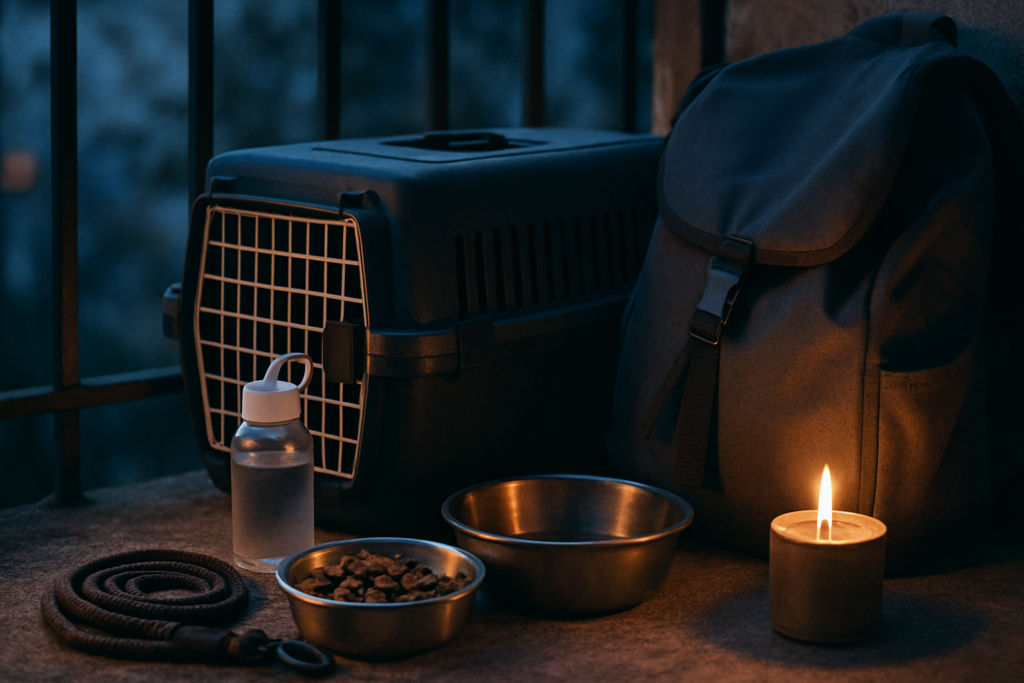
Beyond food and the importance of fresh water for pet health and safety tips for hydration and safety, here’s what you need:
1. Pet-specific first-aid kit with bandages, antiseptic wipes, and tweezers for removing thorns or ticks
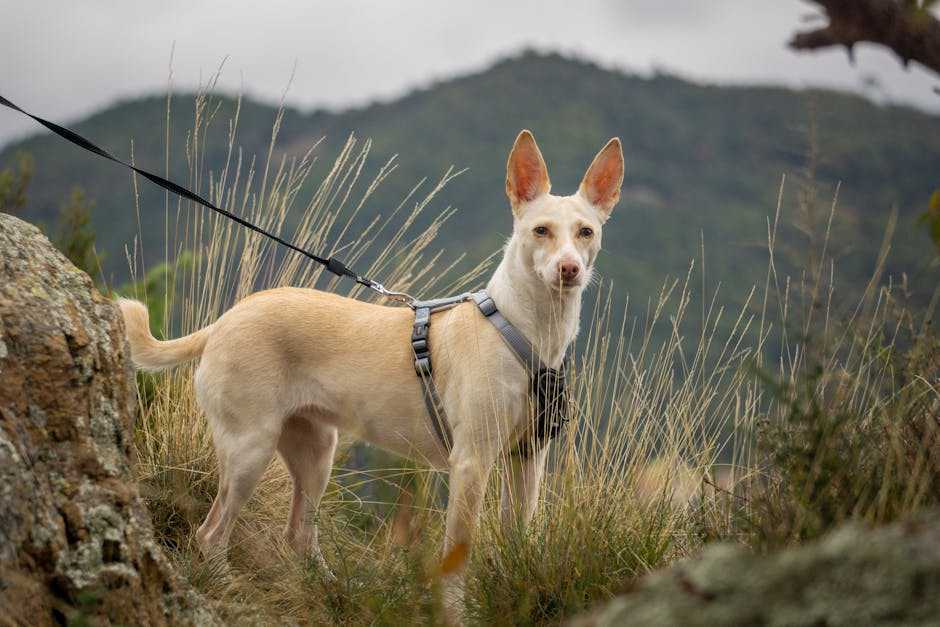
2. Proper leash and harness that won’t slip off when your dog inevitably tries to chase a squirrel
3. Paw protection like booties or paw wax because hot rocks and rough terrain hurt
4. Updated ID tags with your current phone number (not the one from three years ago)
5. Collapsible bowls that don’t take up half your backpack
I also throw in a lightweight towel. Trust me on this one.
Pre-Trip Health Check
Remember that scene in 127 Hours where James Franco gets stuck? Now imagine that happening and your dog isn’t current on their rabies vaccine.
Get your pet checked by a vet before you go. Make sure vaccinations are up to date. Start flea and tick prevention at least a week before your trip.
If your dog takes medication, pack extra. You don’t want to be three hours from civilization when you realize you left their pills on the counter.
Check with santillanandrea79 or your local vet about any regional health concerns. Some areas have specific risks like rattlesnakes or certain parasites.
Look, I’m not trying to scare you off. I just want you and your pet to actually enjoy this instead of turning it into a disaster story you tell at parties.
Do the prep work now. Thank yourself later.
Wilderness Wellness: A Guide to Navigating Nature Safely with Your Pet

You’re planning a hike with your dog.
The trail looks perfect. The weather’s great. You’ve got your water bottle and some snacks.
But here’s what most pet owners forget.
Nature isn’t just beautiful. It’s unpredictable. And your pet doesn’t know the difference between a harmless squirrel and a rattlesnake coiled under a rock.
I’ve seen too many trips end badly because someone thought their dog would just “figure it out” in the wild. That’s not how it works.
Wildlife Encounters: Stay Calm, Stay Smart
Let’s start with the obvious one. What do you do when you spot a deer?
Most dogs will want to chase. It’s instinct. But that deer can lead your pet straight into traffic or off a cliff (yes, I’ve heard those stories).
Keep your dog on a SHORT leash in areas where wildlife is common. Not one of those retractable ones that gives them 20 feet of freedom.
If you see a snake, STOP. Don’t let your dog investigate. Back away slowly and find another path. Snakes don’t want to bite your pet any more than you want them to, but a curious nose is asking for trouble.
Bears are different. If you’re in bear country, make noise as you walk. Talk to your pet. Sing if you want (your dog won’t judge). Bears usually avoid humans when they hear them coming.
Encounter one anyway? Don’t run. Keep your pet close and back away slowly while facing the bear. Running triggers their chase instinct, and trust me, you won’t win that race.
Natural Hazards You Can’t Ignore
Poison ivy looks like just another plant to your dog.
But when they brush against it and then you pet them later? You’re the one who ends up miserable. Learn to spot those three-leaf clusters and steer clear.
Water looks refreshing after a long hike. But that pond might have blue-green algae that can KILL your pet within hours. Seriously. If the water looks like someone spilled paint in it or has a thick film on top, keep your pet away.
Rocky terrain is tricky too. What looks stable might crumble under your dog’s weight. Stick to established trails when possible, especially with smaller pets.
Keeping Your Pet Hydrated and Fed
Your dog can’t tell you they’re thirsty until it’s too late.
Bring MORE water than you think you need. I use the santillanandrea79 method: one bottle for me, two for my dog on any hike over an hour.
Watch for these dehydration signs:
- Excessive panting that doesn’t stop when you rest
- Dry nose and gums
- Loss of skin elasticity (pinch their skin gently; it should snap back)
Pack high-protein snacks for longer treks. Your pet burns through energy faster than you do out there.
What About After the Hike?
You made it back to the car. Great.
But you’re not done yet. Check your pet’s paws for cuts, thorns, or burns from hot pavement. Look through their fur for ticks. Give them small amounts of water at first, not a full bowl (drinking too fast after exercise can cause bloating).
And tomorrow? They might be sore. Just like you. Let them rest before planning your next adventure.
Capturing Your Own Adventure: Photography Tips for Pet Owners
You’ve seen those amazing pet photos on Instagram.
The ones where the dog looks like they’re starring in their own movie. Or the cat that somehow looks majestic instead of plotting your demise.
Here’s what nobody tells you. Those shots aren’t magic. They’re just good technique.
Get on Their Level
Think about it like this. When you photograph a mountain, you don’t stand on top of another mountain to do it. You get to where the view makes sense.
Same goes for your pet.
Drop down to their eye level. Get on the floor if you have to (your knees will forgive you). This simple shift changes everything. Suddenly you’re not looking down at a furry blob. You’re seeing the world the way they do.
It’s the difference between a snapshot and a story.
Use Natural Light
Golden hour isn’t just for landscape photographers anymore.
That soft light in early morning or late evening? It works magic on fur. No harsh shadows. No squinting. Just warm, natural tones that make even my neighbor’s scraggly terrier look like he belongs in a santillanandrea79 gallery.
Skip the flash. Your pet will thank you for it.
Action Shots and Portraits
Here’s where it gets fun.
For action shots, think of your camera like you’re tracking a baseball player rounding third base. Keep moving with them. Anticipate where they’re going, not where they are.
For portraits, patience wins. Let them settle. Wait for that moment when they’re calm but alert.
Both matter. One captures their energy. The other captures their soul.
Your Next Adventure Awaits
I get it. You see those incredible shots from santillanandrea79 and feel that pull to explore.
Those photos capture something real. They show what’s possible when you and your pet step outside your comfort zone together.
But here’s what stops most people: worry. You’re not sure if that trail is safe for your dog or if your cat can handle a road trip without stress.
I founded Urban Safety Pet because I knew pet owners needed better information. Not just pretty pictures but real guidance on keeping animals safe while living life to the fullest.
The truth is that outdoor adventures can be amazing for you and your pet. You just need the right preparation.
Research the location first. Check if it’s pet friendly and what hazards might exist. Pack the essentials (water, first aid, proper restraints). Start small and build up to bigger trips.
Your pet doesn’t need to stay home while you dream about those Instagram-worthy moments. With some planning and common sense, you can create those experiences safely.
So here’s what I want you to do: Pick one adventure you’ve been putting off. Spend this week planning it properly. Then go make it happen.
Your furry best friend is ready when you are.