City living can expose cats to unique health challenges, especially when multiple pets share space or outdoor access is part of daily life. Recognizing when a cat’s abscess requires urgent veterinary care is essential for their safety and comfort.
In dense neighborhoods and apartment settings, cats often face conditions that increase the risk of skin infections. Even indoor cats can be at risk if there are multiple animals in the home or if they have access to balconies, communal areas, or supervised outdoor spaces. Understanding how abcesses in cats can begin as something minor, like a small bite, scratch, or puncture wound, helps owners act before the problem escalates. Prompt identification and veterinary attention can mean the difference between a straightforward recovery and a dangerous complication. UrgentVet is here for after-hours veterinary urgent care for pets, because Your Pet Can’t Wait to Feel Better ®, providing a timely resource when your cat’s condition cannot wait for a regular daytime appointment, but a full 24/7 ER is not required.
Understanding abscesses and how they form
An abscess is a pocket of pus that develops when bacteria invade through a wound, such as those caused by cat fights, scratches, or even small skin breaks. When bacteria enter, the body’s immune response tries to contain the infection, leading to swelling. In apartment complexes or urban areas, cats may be more likely to get these injuries from conflicts with other pets, particularly in high-traffic corridors or at shared outdoor access points.
At first, the affected area may appear as mild swelling, but abscesses can worsen quickly without treatment. The site might look normal one day and then develop heat, pain, and rapid swelling the next. Owners may overlook limping, a small scab, or a subtle lump, not realizing an infection is progressing underneath the skin.
Early warning signs at home
Before an abscess breaks open or drains, you might notice localized swelling that feels somewhat warmer or softer than surrounding tissue. Some cats may limp or avoid putting weight on a sore leg. Other early signals include tenderness when the area is touched, hiding, reduced appetite, or increased irritability. Because cats tend to mask pain, behavioral changes, like less activity or avoiding favorite spots, can suggest a hidden problem that merits caution.
Red flags for urgent veterinary care
Certain symptoms mean you should seek veterinary attention as soon as possible. These include:
- Fever, which may show up as increased sleepiness or ears that feel warmer than usual
- Lethargy or a marked decrease in activity
- Swelling that is growing rapidly, or new facial swelling
- Foul-smelling pus or fluid draining from a wound
- Difficulty eating, swallowing, or breathing, especially if swelling is near the face, neck, or jaw
- Signs of obvious pain or distress
These symptoms could indicate a spreading infection or early signs of a more serious condition requiring prompt intervention.
What to avoid at home
Do not try to squeeze, lance, or cut open an abscess yourself. Attempting these actions can worsen an infection or cause serious injury. Avoid using leftovers of prescription medications or human pain relievers, which can be unsafe for cats. Professional veterinary evaluation is always the safest choice for suspected abscesses.
What happens during an urgent veterinary visit
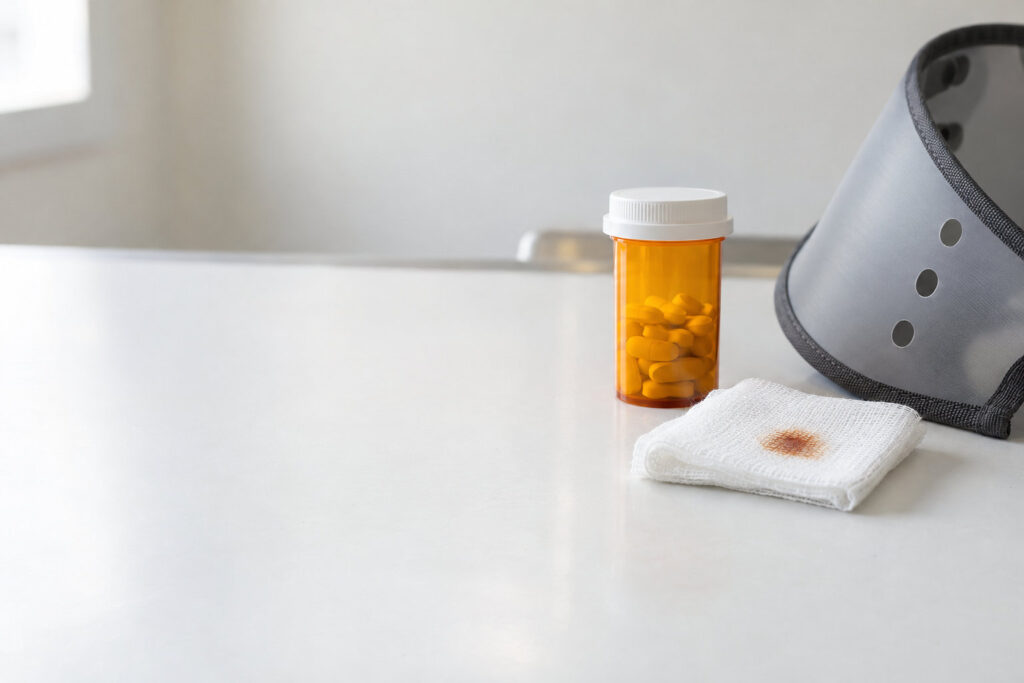
The veterinary team will examine your cat and determine the extent of the infection. They may clean, drain, or flush the wound, sometimes using sedation if your cat is in significant pain. Pain control and appropriate antibiotics are often prescribed, and you may be given an e-collar to prevent licking along with home care instructions. For cat owners who need help outside normal office hours, UrgentVet is an after-hours emergency animal hospital alternative that operates late nights, weekends, and holidays (365 days a year), providing care when a traditional 24/7 ER is not necessary. It serves as a lower-cost ER alternative but is not open 24/7.
Recognizing true emergencies
If your cat collapses, has severe trouble breathing, experiences uncontrolled bleeding, or is extremely weak, these are situations for a 24/7 emergency hospital. Suspected severe whole-body infection (sepsis) also requires immediate, advanced care from a facility equipped for the most critical cases.
Preventing abscesses and reducing risk
In urban settings, supervise outdoor activities, manage cat interactions, and intervene early if conflicts arise. Quickly treat bite wounds and regularly check areas such as the tail base, legs, and face for swelling or pain following any skirmishes or potential injuries.