

Your dog barks at the mailman. Chews your shoes. Pulls you down the street like you’re dragging a sack of bricks.
I’ve seen it all.
And I’m tired of watching people punish their pets for normal behavior.
Training Pets Lwmfpets isn’t about dominance or quick fixes.
It’s about teaching your animal what to do instead of just yelling “no.”
I’ve spent over a decade using positive reinforcement (not) because it sounds nice, but because it works. Every time.
No confusing jargon. No outdated alpha nonsense. Just clear steps for real problems: barking, chewing, leash pulling.
You’ll get exactly what you came for. Actionable. Repeatable.
Humane.
This isn’t theory. It’s what I use with every pet I train. And it’s what will work for yours.
How You Train Is the Real Training
I used to think “what” I taught mattered most. Sit. Stay.
Leave it. (Spoiler: it doesn’t.)
Training Pets this article is about communication, not control. Every time you raise your voice or yank the leash, you’re sending a message (and) your dog hears it loud and clear. They just might not understand what you want.
Positive reinforcement? It’s literally giving your dog a paycheck for a job well done. A treat.
A click. A calm “yes.” That’s it. Not a bribe.
Not a trick. Just clear cause and effect.
Punishment-based methods? They work sometimes. But they also teach fear.
Or confusion. Or worse. That humans are unpredictable.
I’ve seen dogs shut down after one week of choke-chain corrections. (They don’t forget.)
Consistency isn’t optional. If Mom says “off” and Dad says “it’s fine,” your dog isn’t being stubborn. They’re just confused.
And confusion kills progress.
Everyone in the house needs the same rules. Same cues. Same rewards.
Here’s what you actually need:
- High-value treats. Tiny, smelly, irresistible.
Chicken works. Kibble does not. 2. A clicker.
Optional, but it sharpens timing like nothing else. 3. A comfortable use (no) pulling. No choking.
Just walking. 4. A 6-foot leash (long) enough to move, short enough to stay connected.
That’s it. No magic. No gimmicks.
Just respect (and) a plan.
You already know this. You just needed someone to say it out loud.
Pet Problems Are Clues (Not) Commands
I treat every weird behavior like a crime scene.
Which means: stop yelling at the dog and start taking notes.
Excessive barking? That’s not the problem. It’s a symptom.
Is your dog barking at 7 a.m. when the mail truck rolls up? That’s territorial. Barking in the backyard alone for 20 minutes?
Probably boredom. Barking the second you pick up your keys? Hello, separation anxiety.
Watch when it happens (not) just that it happens.
Destructive chewing has three usual suspects. Puppy teething peaks between 3 (6) months (and yes, your shoes are fair game). Adult dogs chewing furniture only when you’re gone?
That’s not bad manners (that’s) panic. Chewing everything all the time, even with toys around? Your dog is bored out of its mind.
Leash pulling isn’t defiance. It’s communication. Excitement?
Yes. Poor training? Also yes.
But here’s what no one tells you: a choke chain or prong collar makes pulling worse. It triggers opposition reflex. You pull, they lean in.
It’s physics, not attitude. Switch to a front-clip use. Try it for two weeks.
You’ll feel the difference on day three.
Training Pets Lwmfpets starts with asking why, not how do I shut this down?
You wouldn’t give someone antacids for chest pain without checking for a heart issue. Same logic.
(Pro tip: Record 30 seconds of the behavior on your phone. Watch it back with sound off. What do you see before the bark/chew/pull starts?)
If your dog barks at the vacuum but ignores thunder, it’s not fear (it’s) confusion. If they chew your laptop cord but leave the $80 chew toy untouched? That’s not preference.
That’s a cry for something else.
You’re not failing. You’re just missing the first clue. So grab a notebook.
Write down the time, location, and what happened right before. That’s how you go from frustrated to fluent.
Real Pet Training That Actually Works
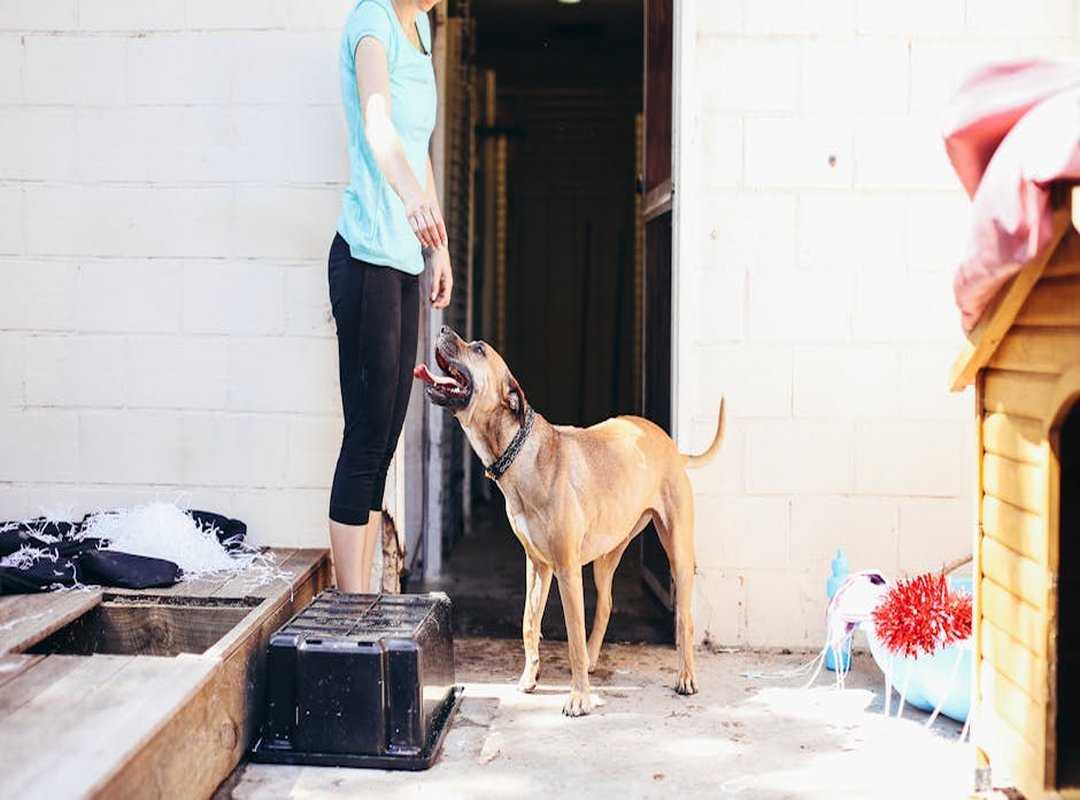
You want your dog to stop barking at the mailman. Not “eventually.” Right now.
I taught my terrier mix the Quiet cue in under six days. No magic. Just timing, consistency, and zero tolerance for rewarding noise.
Here’s how it works: Wait for one second of silence. Say “Yes!” or click. Toss a treat.
Do it again. And again. Then wait two seconds.
Then three. Build it like stacking blocks (not) hoping they’ll get it.
Does that sound too simple? Good. It is simple.
Most people overcomplicate it by talking through the behavior instead of marking the exact moment it stops.
Chewing isn’t “bad.” It’s boredom with teeth.
First, pet-proof. Hide the shoes. Block the cords.
Don’t test fate.
Then give them something better. A frozen KONG. A puzzle feeder.
I covered this topic over in this resource.
Something that takes longer to destroy than your favorite slipper.
Teach “Leave It” using food. Hold a treat in your closed fist. Let them sniff, lick, paw.
Wait until they back off. Mark it. Open your hand.
Repeat until they walk away on cue.
Leash pulling? Stop walking the second the leash goes tight.
Be a tree. Stand still. Wait.
Don’t tug. Don’t say “no.” Just wait for slack.
When they turn back? Click. Treat.
Walk five steps. Repeat.
This isn’t about dominance. It’s about teaching your dog that loose-leash = movement. Tight leash = nothing happens.
You’ll see change in under two weeks if you do it daily. Ten minutes, twice a day.
Some people skip management and jump straight to commands. That’s like trying to teach algebra before counting.
If your pet spends time outside, check out Outdoor pets lwmfpets for setup tips that match this training style.
Training Pets Lwmfpets only works when you pair it with real-world structure.
No gimmicks. No gear. Just you, your dog, and timing.
Start today. Not Monday. Not after vacation.
When DIY Fails: Time to Call a Pro
I’ve tried fixing everything myself. Every time. Until I wasn’t fixing (I) was making it worse.
Aggression isn’t just growling. It’s your dog stiffening when you reach for the leash. It’s your cat hissing at an empty corner.
That’s not “personality.” That’s a red flag.
Severe separation anxiety? If your pet destroys the house every time you leave (and) you’ve tried crate training, routines, and calming aids for three weeks. Stop blaming yourself.
Fear that stops walks, vet visits, or even eating? That’s not shyness. That’s suffering.
You’re not failing. You’re responsible. Real responsibility means knowing when to step back.
Consistency isn’t enough if nothing changes. Weeks of effort with zero progress? That’s your cue.
Get help before the problem spreads. To other pets, to your stress levels, to your home.
For more grounded advice on what works (and what doesn’t), check out Pet Tips and Tricks Lwmfpets.
Your Pet Is Waiting for You to Start
I’ve been there. Staring at a dog who won’t listen. Watching a cat shred the couch again.
Feeling like you’re living with a roommate who speaks another language.
That frustration? It’s not your fault. But it is fixable.
Training Pets Lwmfpets works because it skips the guilt and goes straight to what your pet actually understands: consistency and clarity.
You don’t need perfection. You need one behavior. Just one.
Pick one thing from this guide. Sit-stay. Leash walking.
Not jumping. Doesn’t matter which.
Spend 10 minutes. Twice today.
Then do it again tomorrow.
You’ll feel the shift before the week’s up.
Your pet isn’t broken. You’re just missing the right rhythm.
Start now.
Not “someday.” Not “when things calm down.” Today.