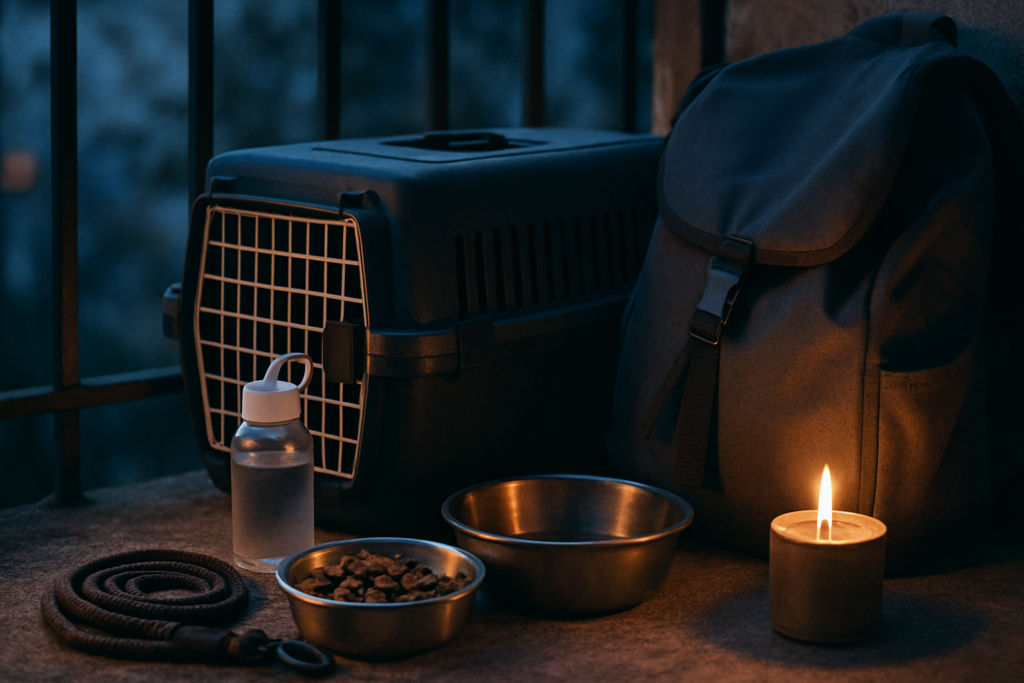

Know Your Pet’s Triggers
Understanding what causes your pet stress is the first step in making travel comfortable for them. Pets, like people, have unique sensitivities and recognizing those early makes all the difference before hitting the road.
Common Stress Triggers
Every pet is different, but there are several common sources of travel anxiety to look out for:
Loud noises (traffic, crowds, in flight announcements)
Motion or vibration (especially in cars or planes)
Unfamiliar environments (strange smells, people, or animals)
Start observing how your pet reacts in different situations to identify their specific triggers.
Early Signs of Stress
Before stress escalates, your pet will often send subtle signals. Recognizing these early can help you intervene and prevent discomfort from escalating.
Look out for:
Panting in a cool environment
Pacing or restlessness in crates or carriers
Whining, meowing, or barking without clear cause
Hiding or trying to escape tight spaces
Responding early to these signs can help de escalate anxiety quickly.
Plan Travel Around Your Pet’s Needs
Once you’ve identified stress triggers and early signs, you can build a travel plan that supports your pet’s comfort.
Here’s how:
Schedule more frequent breaks during long car rides to allow your pet to reset
Avoid traveling at times when your pet is usually resting or eating
Pack comfort items like a favorite toy or a worn T shirt from home to offer reassurance
Choose stays with quiet, low traffic surroundings when possible
Your pet can’t tell you what they need but their behavior gives you clues. Pay attention, adjust accordingly, and head off stress before it starts.
Choose the Right Travel Method
Traveling with pets requires matching their temperament and needs with the right mode of transportation. Whether you’re driving cross country or flying internationally, choosing the most suitable method can significantly reduce your pet’s anxiety.
Which Travel Mode is Best?
Each option has its pros and cons depending on your pet’s size, behavior, and comfort level:
Car Travel
Ideal for pets who dislike confinement or are fearful of loud noises
Allows for flexible stops and personalized travel pace
Easier to monitor and comfort your pet during the ride
Air Travel
Suitable for longer distances, but may trigger stress due to unfamiliar people and sounds
Not recommended for snub nosed breeds or pets with respiratory issues
Requires vet checks, airline approval, and an IATA compliant carrier
Train Travel
Less stressful than flying, with wider space and gentler motion
Policies vary research pet friendly routes and carrier requirements
Crate Training & Comfort Items
Crate familiarity is crucial before departure, especially for car or plane travel. Start weeks ahead:
Introduce the crate as a safe space at home
Place favorite toys, treats, or an item of your clothing inside
Gradually increase crate time to help them feel secure
Bring along:
A non slip crate mat
Chewable toys or frozen treats to ease anxiety
A lightweight blanket that smells like home
Know the Rules Before You Go
Each airline or train service has its own set of regulations:
Review carrier size and ventilation standards
Confirm pet documentation like health certificates or vaccination records
Check if your pet rides in cabin or as cargo and prepare for weather policies accordingly
Taking the time to plan around your pet’s emotional and physical well being makes the journey smoother for both of you.
Prep Ahead of Time
Start adjusting your pet’s routine at least a week before you hit the road. Wake them up a little earlier. Shift their feeding times slightly to match your travel schedule. These small tweaks help them adapt gradually and that can mean a lot less panic on departure day.
Don’t wait until the big trip to figure out how your pet handles movement. Schedule a few short drives or walks in new environments to help them get used to the change. Thirty minutes here and there can build tolerance without overwhelming them. Observe how they react and note what calms them down. That’s your blueprint.
Before you leave, pack a calm kit just for them. Think essentials: familiar toys, a worn blanket that smells like home, and a stash of treats. You know what works use it. This isn’t about spoiling them. It’s about anchoring them to something stable while the rest of their world moves.
The “Calm First” Strategy

If you’re stressed, your pet picks up on it fast. Animals read your energy better than you think. So before you start worrying about calming them down, take a moment to calm yourself. No frantic packing. No raised voices. Treat the trip like it’s no big deal, and they’re more likely to follow your lead.
Next, set them up for success. Calming pheromone sprays (like Feliway for cats or Adaptil for dogs) can ease some tension, especially in crates or carriers. You can pair that with natural calming chews there are plenty on the market with ingredients like melatonin, L theanine, or chamomile. But again, these are about support not magic fixes.
If your pet tends to spiral during travel despite your prep, talk to your vet. There are safe, vet approved sedatives that can keep things manageable. It’s not something you want to use casually, but when the stakes are high (long flights, major moves), they might mean the difference between a nightmare and a nap.
At the Destination
Once you and your pet make it to your destination, don’t jump into a packed agenda. Give them time to breathe. A slower pace gives your pet the chance to take in all the new smells, sounds, and spaces. Overloading them with new stimuli right away usually backfires and stress can ramp up fast.
Designate a corner just for them. A quiet spot with their blanket, favorite toy, or bed creates an anchor in the chaos of a new place. Even in a rental or hotel room, a little familiarity goes a long way.
Stick to your regular feeding and potty schedule as best you can. Routine is security. Keeping those rhythms stable helps pets feel more grounded and reduces accidents or anxious behavior. The goal isn’t perfection it’s stability.
Traveling with pets isn’t just about logistics it’s about mindset and preparation. If you’re looking to go a level deeper, this guide breaks down expert approved ways to keep your pet grounded and relaxed from departure to arrival. From pre trip conditioning to practical tools like calming sprays and carrier hacks, it’s all laid out simply. Whether you’re a first time traveler or a seasoned pro, check it out for clear, actionable steps that make the journey easier on both of you: calm pet travel tips.
When to Call the Vet
Travel can rattle even the most seasoned pets, but there’s a line where stress turns into something more serious. If your pet isn’t eating or drinking after 24 hours, it’s time to make that call. Dehydration kicks in fast, especially in unfamiliar climates, and not eating can point to stomach or anxiety issues that need treatment.
Motion sickness is another red flag. If your pet is drooling excessively, vomiting, seems disoriented, or refuses to move, they’re not just uneasy they might be physically distressed. Don’t leave it to guesswork.
Sudden shifts in behavior like unexplained aggression or complete withdrawal also warrant a check in. Your pet may be in pain, or something about the new environment could be triggering high anxiety. Either way, it’s better to rule out the worst early. A vet can help you understand what’s behavioral and what’s medical.
In short: don’t wait it out. Know what’s normal for your pet and trust your gut when something feels off.
Final Notes Worth Remembering
Some pets just aren’t cut out for travel and that’s okay. Forcing the issue can do more harm than good. If your furry companion shows strong resistance to being crated, riding in a car, or adjusting to new spaces, listen to that. Their well being should come before convenience or plans.
That said, preparation is the biggest buffer against chaos. A little planning beats last minute stress every time. Pack early, keep calm items close, and have your vet on speed dial if things feel off.
Most of all, be consistent. Keep routines as close to normal as possible. Predictability makes pets feel safe same food, same voice, same walk time. When you stay steady, they’re more likely to stay grounded too.
For more detailed guidance and expert advice, don’t miss this essential resource:
calm pet travel tips