Spotting the Signs Early
Aggression in pets doesn’t usually come out of nowhere. It builds. The key is knowing what sets them off and learning to read those early cues before things escalate.
Common triggers vary, but some show up again and again. With dogs, common flashpoints include resource guarding (food, toys, people), rough handling, unfamiliar animals, or being cornered. For cats, overstimulation, sudden movements, and changes in territory (like a new cat in the house) are big ones. Pain or illness can make both species react sharply, too.
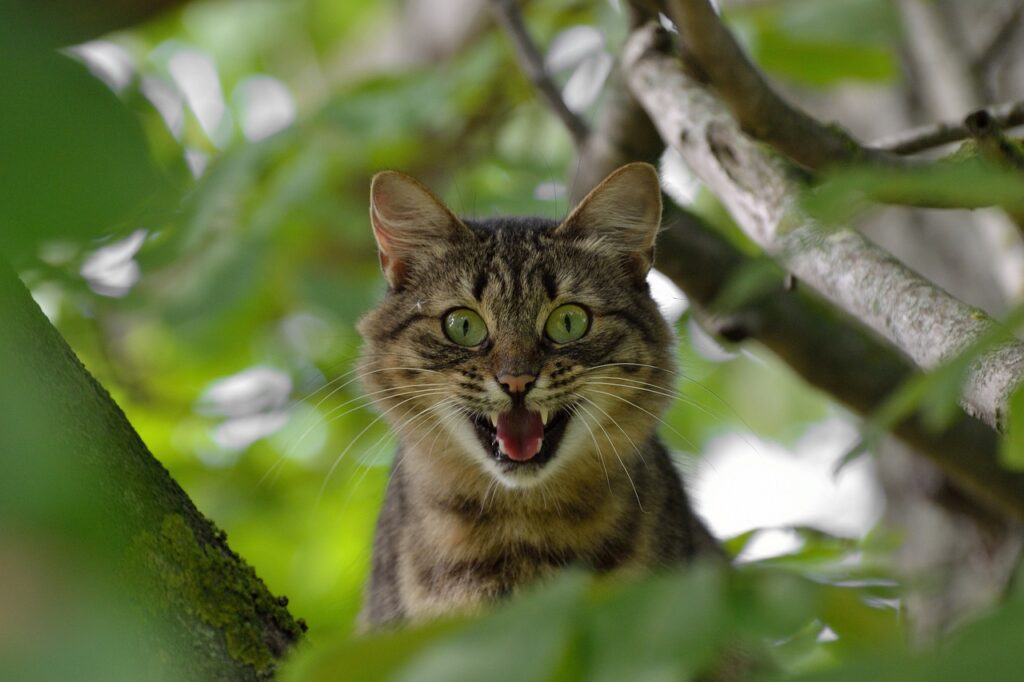
Then there are the signals you never want to brush off. Growling, snapping, stiff body posture, hissing, or even just sudden freeze ups those are red flags. Your pet isn’t misbehaving; they’re trying to tell you something’s wrong. Don’t scold or dismiss. Pay attention.
Understanding what kind of aggression you’re seeing helps shape your next move. Fear based aggression is defensive your pet’s trying to protect themselves. Territorial aggression? That’s about guarding their perceived space or status. Mistaking one for the other leads to missteps, sometimes dangerous ones. Recognizing which you’re dealing with gives you a calmer, safer path forward.
Safety First for You and Your Pet
When dealing with aggressive behavior, safety should always be your top priority. Avoid reacting impulsively handling tense situations calmly can greatly reduce the chance of escalation or injury.
The Golden Rule: Don’t Punish, Protect
Punishment may seem instinctive in the moment, but it often worsens aggression. Instead, think in terms of protection:
Your safety comes first never put yourself in a dangerous position.
Your pet needs protection, too aggressive behavior often stems from fear, anxiety, or confusion.
Punishment can increase fear, leading your pet to act out even more.
Your primary goal is to calmly manage the moment while keeping everyone physically and emotionally safe.
How to De Escalate Without Causing Harm
When you sense a situation escalating:
Stay calm your energy sets the tone.
Avoid making direct eye contact if your pet is agitated.
Step away slowly don’t corner your pet or try to grab them.
Remove the trigger, if possible (a toy, noise, or even another pet).
Give your pet space to settle, then reassess once the environment is calm.
Practical Tools That Help Maintain Safety
Certain tools can help manage aggression without resorting to harsh methods. Use them as part of your overall strategy, not as punishment.
Muzzles: Useful for safely handling pets during vet visits or in unknown situations. Choose a basket style muzzle that allows your dog to pant and drink.
Crates: A familiar, comfortable crate can give your pet a peaceful retreat. Never use it as punishment.
Baby Gates: Help separate spaces without isolating your pet completely useful for multi pet homes or keeping pets away from guests.
These tools don’t solve aggression alone, but they do support safer environments for both pets and people.
What You Can Do at Home

When pets act out, there’s usually a reason. One of the most powerful tools you have isn’t a fancy gadget it’s structure. A consistent daily routine helps reduce stress because your pet starts to know what to expect. Set feeding times. Stick to regular walks. Keep play and rest intervals predictable. This gives anxious or reactive animals a sense of control, which can lower aggression triggers.
Another strategy: channel that energy into something productive. Positive reinforcement training is critical not just for obedience, but for emotional balance. Use treats, praise, or favorite toys to mark calm behavior. Puzzle feeders, scent games, and interactive toys are great for enrichment. Bored pets get restless. Restless pets get edgy.
Desensitization is another tool, but it’s not a quick fix. You’re trying to teach your pet not to overreact to something that currently sets them off. Go slow. Pair the trigger with something positive a treat, a gentle voice. But push too fast and you could make things worse. This technique works best when you stay within their comfort zone and build up gradually.
Finally, look at the overall vibe of your home. Loud, chaotic environments don’t help anyone. Create calm. Ditch the yelling. Use white noise if outside triggers (like passing dogs or traffic) are a problem. Keep visitor greetings low key. Predictability may sound boring, but for reactive pets, it’s a lifeline.
When to Bring in the Pros
If your pet’s aggressive behavior keeps escalating, or someone’s safety is at risk, it’s time to stop guessing. Barking, growling, lunging, or biting that happens regularly or without clear reason isn’t something you can out train with YouTube videos. A certified trainer or a veterinary behaviorist can spot patterns you might miss and build a plan tailored to your pet’s triggers and needs.
Professional help starts with an evaluation. The trainer or behaviorist will ask about your pet’s history, environment, routines, and past reactions. You may be asked to record your pet’s behavior or keep a journal. From there, they’ll create a training plan that focuses on behavior modification not just obedience. These plans usually involve desensitization (gradual exposure), counter conditioning (changing emotional responses), and practical management tactics to keep everyone safe.
Don’t skip the vet visit either. Pain, thyroid issues, neurological problems these can all spark aggression out of nowhere. A full workup can rule out medical causes before diving into behavior work.
Aggression doesn’t mean failure. It means it’s time for structure. Let the experts guide you and keep yourself and your pet out of danger.
More on managing aggressive pets
Long Term Habits That Help
Addressing aggressive behavior in pets is a journey not a quick fix. While progress may feel slow at times, long term consistency and a calm approach can lead to real and sustainable changes in your pet’s behavior.
Consistency and Patience Pay Off
Aggressive behaviors rarely resolve overnight. Lasting change comes from practicing the same positive habits day after day.
Stick to training routines, even when progress plateaus
Reinforce positive behaviors regularly
Avoid giving mixed signals (e.g., allowing a behavior one day, discouraging it the next)
It’s this steady repetition that builds security and trust.
Keep It Positive, Not Punitive
Punishment often escalates fear or frustration in pets and can worsen aggression. Instead:
Reward calm, non reactive behavior
Use treats, praise, or toys as incentives during training
Redirect unwanted behavior before it spirals
Positive reinforcement builds healthier communication and promotes emotional safety, especially in tense situations.
Your Reactions Matter
Pets are incredibly responsive to human energy. Staying emotionally grounded during training or conflict can make a measurable difference.
Practice deep breathing or calm body language when your pet is triggered
Avoid yelling, sudden movements, or physical corrections
Model the behavior you want to encourage
Calmer humans truly do help create calmer pets.
Track Progress with Check Ins
Aggression management isn’t always a straight line. Regular check in points can give you helpful insight into what’s working and what needs adjusting.
Keep a behavior journal with key observations and triggers
Revisit training goals every few weeks with measurable milestones
Share updates with your vet or trainer to fine tune the plan
Consistency, awareness, and a willingness to adjust will keep you and your pet on the right path.
Read the full guide on managing aggressive pets
Staying Committed
Walking away might feel like the easiest fix when a pet’s behavior turns difficult, but it’s not always the safest or most responsible choice. Rehoming or surrendering a pet with a history of aggression can put others at risk and may even worsen the animal’s condition. What often gets overlooked is that with structure, support, and a smart plan, most behavior issues can be managed.
Help isn’t in short supply. There are online training platforms, certified behaviorists offering virtual consults, and real world community groups that specialize in tough cases. Support systems exist not just for your pet, but for you too because progress takes time, and it can wear you down if you’re alone in it.
Aggression is rarely a dead end. It’s a signal one that you can respond to with intention. A well thought out plan, tailored training, and a long view mindset can lead to safer, calmer outcomes for both human and animal. Commitment here doesn’t mean being stuck. It means choosing to keep showing up, better each time.